Why Kashmiri Saffron is Considered the Best in the World: The Golden Spice of India
Kashmir, the picturesque valley in Northern India, is famous for its stunning landscapes and rich culture. But among its many treasures, one stands out as a global icon of luxury: Kashmiri Saffron, often referred to as the “Golden Spice”.
For centuries, chefs, gourmets, and health enthusiasts have debated which region produces the finest saffron. In this guide, we explore why Kashmir’s saffron is scientifically and culinarily superior to varieties from Iran and Spain.
The Science Behind the Quality: What Makes It Special?
Saffron is the stigma of the Crocus sativus flower. Each flower produces only three or four delicate stigmas, which must be plucked manually by hand—a labor-intensive process that justifies its status as the world’s most expensive spice.
But not all saffron is created equal. The quality of saffron is determined by Crocin, the compound responsible for its color and medicinal properties.
Kashmiri Saffron: Contains 8.72% Crocin.
Iranian Saffron: Contains 6.82% Crocin.
This higher percentage of crocin gives Kashmiri saffron its deeper red color, more potent medicinal benefits, and superior quality compared to other varieties.
The Perfect Climate for “Red Gold”
Why is the crocin content so high in Kashmir? It comes down to terroir.
Kashmiri saffron is cultivated at an altitude of 1,600 meters above sea level. The valley’s unique climate—featuring cold winters and moderate summers—combined with nutrient-rich, well-drained soil, creates the perfect environment for these delicate flowers to thrive.
Global Comparison: Kashmir vs. Iran vs. Spain
While taste is subjective, global rankings consistently place Kashmir at the top. Here is how the world’s major producers compare:
1. Kashmir, India (The Gold Standard)
Ranked as the number one saffron globally, Kashmiri Kesar is known for:
Color: Deep, vibrant red.
Aroma: Strong, floral, earthy, and slightly sweet.
Flavor: Robust, honey-like, and slightly bitter.
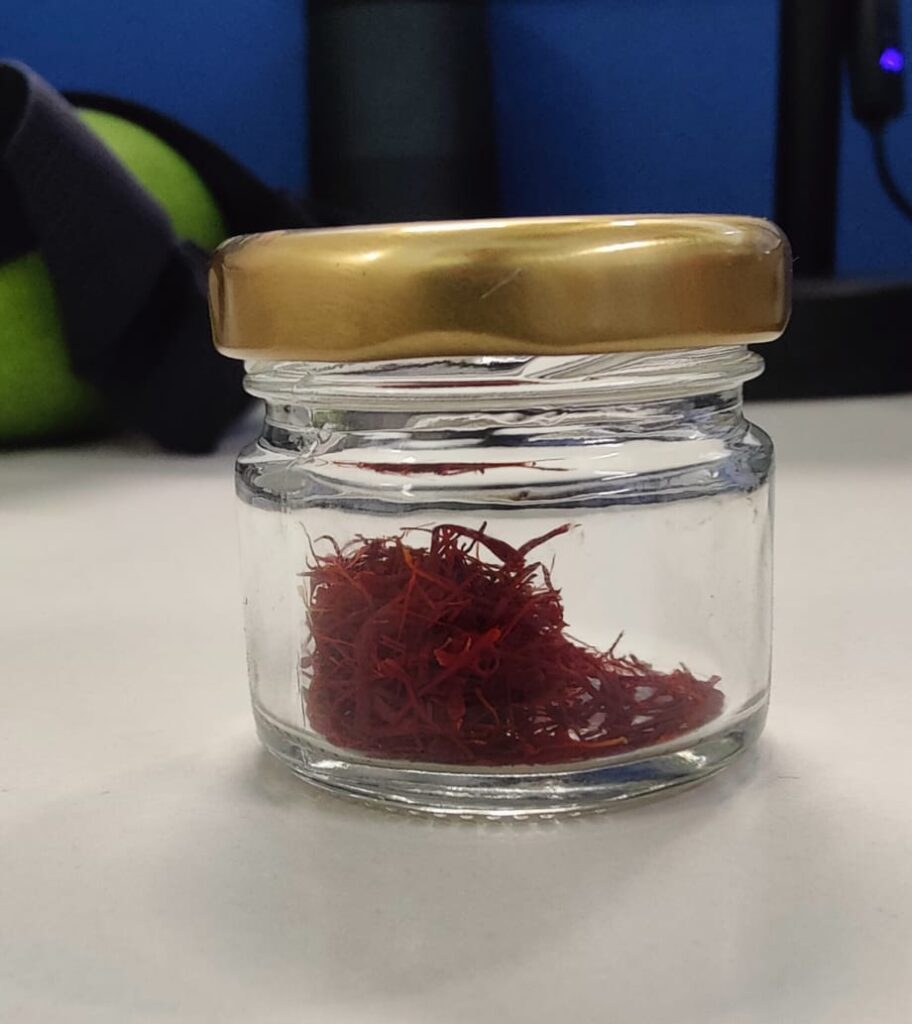
Appearance: Thicker, longer threads with a high potency.
2. Iran (The Largest Producer)
Iran dominates the market in terms of volume. While excellent, Iranian (Persian) saffron tends to have a brighter red color and a slightly more floral/honey-heavy aroma compared to the deep, complex notes of the Kashmiri variety.
3. Spain (The European Favorite)
Spanish saffron, particularly from La Mancha, is famous for its sweet aroma. However, the market is often plagued by counterfeit issues and variable quality, where lower-grade saffron is sometimes mixed with substitutes.
Beyond the Kitchen: Health & Culture
Saffron is more than just a spice; it is a part of Kashmiri heritage.
Culinary Magic: It is the soul of Kashmiri cuisine, essential for dishes like Pulao, Kebabs, and traditional desserts. It is also the key ingredient for festive sweets like Ladoos and Barfis.
Health Benefits: Rich in antioxidants, saffron is valued in traditional medicine for its anti-inflammatory properties.
Industrial Use: Its potent color and properties make it valuable in the dye industry and pharmaceutical therapy.
Conclusion: A Treasure Worth Savoring
The global demand for Kashmiri saffron continues to grow, attracting discerning customers who value purity over price. Its superior crocin content, distinct aroma, and rich history make it a treasure worth savoring.
Whether you are garnishing a royal Biryani or drinking saffron milk for health, choosing Kashmiri Saffron ensures you are getting the absolute best nature has to offer.