
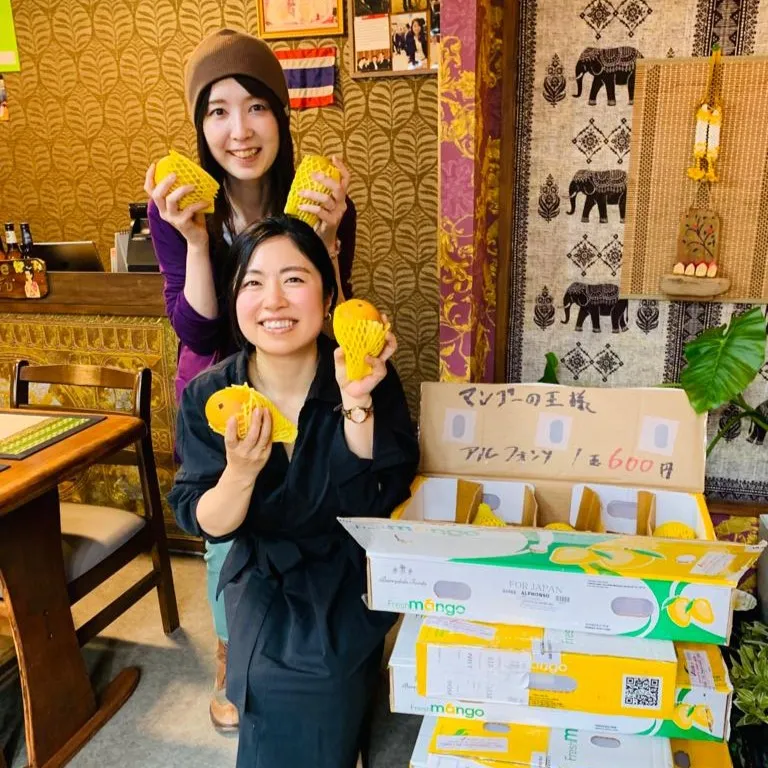
The Ultimate Guide to Indian Mangoes in Japan (Alphonso & Kesar)
This blog is primarily aimed at fruit lovers looking for the finest Indian mangoes in Japan. By perusing this guide, you will acquire a substantial amount of information about authentic Indian varieties, such as Alphonso (the King of Mangoes). All the information regarding when to buy, where to buy, and how to eat is available here.
Berrydale Foods has been a market leader in the supply of Indian mangoes in Japan for over five years. We have participated in numerous mango promotion programs organized by the Embassy of India in Japan to bring these tropical delights to your doorstep.
To enhance comprehensibility, we have structured this blog in a Question-and-Answer format, addressing nearly all possible points about finding Indian mangoes in Japan.
1. When is the season for Indian mangoes in Japan?
The Indian mangoes in Japan season begins on April 14th and concludes on June 20th.
-
Alphonso: Available early, starting from April 14th to May 20th.
-
Banganapalli & Kesar: Begin around April 25th and last until June 20th.
1) インド産のマンゴーは、通常、日本でいつごろ入手可能ですか? インドのマンゴーシーズンは4月14日に始まり、6月20日に終了します。アルフォンソマンゴーは4月14日から5月20日まで利用可能です。バンガナパリとケーサルマンゴーは4月25日ごろから始まり、6月20日まで続きます。
2. Which Indian mango is the best?
Berrydale Foods conducted a survey across Tokyo, Kyoto, Osaka, Hiroshima, Akita, and Yokohama. Nearly 1,000 people tasted and rated the fruits. The result? Alphonso mango is rated as the best among all Indian mangoes in Japan.
2) インドのマンゴーで最も優れている品種は何ですか? ベリーデールフーズは東京、京都、大阪、広島、秋田、横浜で調査を行いました。約1000人がマンゴーを試食し、最高のマンゴーについて評価しました。その結果、アルフォンソマンゴーがすべてのマンゴーの中で最も高く評価されました。
3. What varieties of Indian mangoes are available in Japan?
The Japan Ministry of Agriculture, Forestry and Fisheries (MAFF) has permitted India to export 6 varieties:
-
Alphonso
-
Kesar
-
Banganapalli
-
Mallika
-
Langra
-
Chausa
Note: Mallika, Chausa, and Langra are rarely sold as Indian mangoes in Japan because their season starts after June.
3) 日本で入手できるインドマンゴーの品種は何ですか? 日本の農林水産省(MAFF)は、インドが以下の6つのマンゴーの輸出を許可しました。
-
アルフォンソ
-
ケーサル
-
バンガナパリ
-
マリカ
-
ラングラ
-
チャウサ
しかし、マリカ、チャウサ、およびラングラは、これらのマンゴーのシーズンが6月以降に始まるため、日本ではほとんど販売されていません。
4. Which is sweeter: Alphonso, Kesar, or Banganapalli?
Individual choices vary. Kesar is generally considered the sweetest mango compared to Alphonso and Banganapalli.
-
Kesar: Intense sweetness (“Queen of Mangoes”).
-
Alphonso: Rich, creamy sweetness with a hint of tanginess.
-
Banganapalli: Mild, pleasant sweetness.
4) どのインド産のマンゴーが甘いですか?1. アルフォンソ、2. ケーサル、3. バンガナパリ 個々の選好は異なります。甘さに少し酸味があるのが好きな人もいれば、甘さと風味を重視する人もいますし、単に甘さだけを好む人もいます。ケーサルは、アルフォンソやバンガナパリと比較して最も甘いとされています。
5. Where to buy Indian mangoes in Japan?
You can find stores in Nishikasai, Tokyo, Yokohama, Akita, and Osaka. Here are some recommended shops to buy Indian mangoes in Japan:
-
Ms. Green Curry, Akita
-
Yokohama Mizunobu
-
Baapu Bazaar, Nishikasai – Tokyo
-
Kerala India Restaurant, Kyoto
-
Nishimura Gelato Café, Kyoto
Tip: It is always recommended to prebook to get them fresh the moment they arrive.
5) 日本でインド産のマンゴーを購入する場所はどこですか? 西葛西、東京、横浜、秋田、大阪には、多くの店舗があります。以下はその中のいくつかです。
-
あきた グリーンカレーさん
-
横浜水信房
-
バープ バザール、西葛西 – 東京
-
ケララ インディア レストラン – 京都
-
西村ジェラートカフェ – 京都
6. What is the price of Indian mangoes in Japan?
The price varies based on variety, size, and air freight costs.
-
Alphonso: Average weight 230–270g (12 pcs)
-
Kesar: Average weight 250–300g (12 pcs)
-
Banganapalli: Average weight 300–350g (12 pcs)
6) アルフォンソ、ケーサル、またはバンガナパリなどのインドのマンゴーの妥当な価格は何ですか? インドのマンゴーの価格は、品種、サイズ、品質、航空運賃、為替レートなどの要因によって異なります。
7. What is the shelf life?
Because Indian mangoes in Japan undergo Vapour Heat Treatment (VHT) for safety, their shelf life is shorter.
-
Alphonso: 3 days (store at 13°C – 18°C)
-
Kesar: 5–7 days (room temperature)
-
Banganapalli: 7–8 days (room temperature)
7) インドのマンゴーの賞味期限はどれくらいですか? 日本へ輸出されるマンゴーは、強制的な蒸気熱処理(VHT)を経る必要があります。
-
アルフォンソ – 3日間
-
ケーサルマンゴー – 5~7日間
-
バンガナパリマンゴー – 7~8日間
8. How to eat Indian mangoes?
Remember to soak the mango in water for at least 1 hour before consuming.
-
Cut and Eat: Slice sides (“cheeks”) and scoop out the flesh.
-
Peel and Slice: Remove the skin and chop.
-
Bite and Suck: The casual way for juicy mangoes!
Check our [Recipe Section] for ideas like Mango Lassi, Kulfi, and Aamras.
8) インドのマンゴーを食べる簡単なガイド 消費する前にマンゴーを少なくとも1時間水に浸してください。切ってスプーンですくうか、皮をむいてスライスして楽しんでください。
9. How to identify defective mangoes?
Quality Indian mangoes in Japan should sink in water.
-
The Float Test: Immerse mangoes in a bucket of water. If they sink, they are good. If they float, there may be an issue inside.
-
Black Spots: Minor skin blackening due to sap is normal and usually does not affect the fruit inside.
9) 欠陥のあるマンゴーを見分ける方法は? マンゴーを水の入ったバケツに浸します。マンゴーが底に沈む場合、問題がない可能性が高いです。
10. Can we return defective mangoes?
Usually, retailers will replace defective Indian mangoes in Japan if reported within a few hours of purchase.
10) 欠陥のあるマンゴーを返品できますか? 通常、購入後数時間以内に報告すれば、小売業者は取り替えてくれます。
11. Is it safe to eat Indian mangoes in Japan?
Yes, absolutely. They are sanitized and inspected by both Indian Plant Quarantine and Japan Plant Quarantine officers at every step.
11) インドのマンゴーを食べるのは安全ですか? はい、インドと日本の植物検疫官によって徹底的に検査されています。
12. Health Benefits
Mangoes are rich in Vitamin C, Vitamin A, Potassium, and Dietary Fiber. They support immune function and digestion.
12) インドのマンゴーの健康上の利点は何ですか? マンゴーはビタミンC、ビタミンA、カリウム、食物繊維が豊富で、免疫機能と消化をサポートします。
13. Quality Process for Export
Every batch of Indian mangoes in Japan goes through a rigorous process:
-
Trace-net Certification: Monitors farm health.
-
Vapour Heat Treatment (VHT): Sanitized at 50°C.
-
Inspection: Checked by Japanese Quarantine officers before flying.
13) 日本で入手可能なインドのマンゴーにはどのような品質プロセスが採用されていますか? Trace-net認証、蒸気熱処理(VHT)、および日印両国の検疫官による厳格な検査を経て輸出されます。
14. Why are they hard to find?
Indian mangoes in Japan are sold for a short duration (40-50 days). Since the shelf life is short, stock sells out quickly. Berrydale’s mangoes are often pre-booked and sold within 10 hours of arrival!
14) インドのマンゴーが日本であまり人気がない理由は何ですか? 販売期間が短く(40〜50日)、保存期間も短いため、すぐに売り切れてしまいます。
15. Difference from Pakistan or Thai Mangoes
-
Indian (Alphonso): Rich, aromatic, peach-apricot-citrus flavor.
-
Thai: Creamy and sweet.
-
Pakistani: Sweet with a distinct aroma.
-
Filipino: Buttery texture.
15) 他国のマンゴーとの違い インドのアルフォンソは、濃厚で芳醇な香りと桃や柑橘のような複雑な味わいが特徴です。
16. Are there red mangoes in India?
Yes, the Suvarna Rekha variety has red skin, similar to the Miyazaki mango, and is known for its sweet, pleasant flavor.
16) インドには赤いマンゴーはありますか? はい、スヴァルナ・レーカという品種は赤い皮を持ち、甘く芳醇な味わいで知られています。
Conclusion
We hope this guide helps you enjoy the best Indian mangoes in Japan. If you have more questions, feel free to reach out to Berrydale Foods!
[Shop Fresh Indian Mangoes Here]